A story in five chapters
The Long Truce
How a sacred monster, a stubborn river, and an unbothered city spent six hundred years learning to leave each other alone — and accidentally built the most remarkable coexistence on Earth.
Chapter I
The god's ride
Long before anyone counted crocodiles, people here carved them. The makara — part crocodile, part myth — guards temple doorways across Gujarat, curls around the bracelets of river goddesses, and carries Khodiyar Maa, protector of those who live beside water, wherever she needs to go.
So when the people of old Baroda looked at the long shapes drifting in their river, they did not see vermin. They saw the neighbour of a goddess. You may not love a neighbour like that, but you certainly don't throw stones at her ride.
That single cultural fact — reverence, settling over fear like silt — is the foundation everything else in this story is built on.
Chapter II
The river that stayed
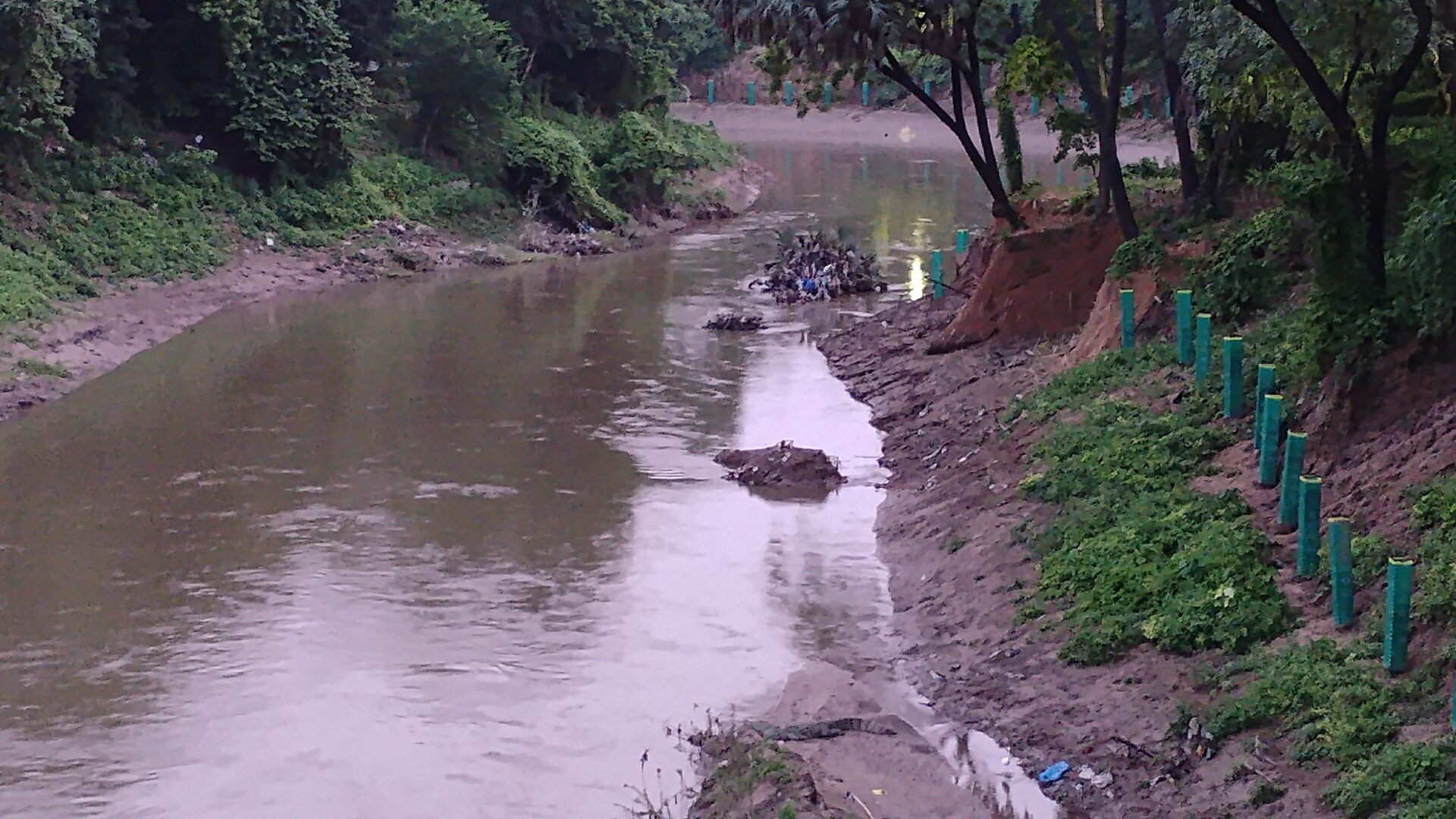
The Vishwamitri is not a grand river. It is narrow, moody, monsoon-fed, and named after a sage with a famous temper. For most of the year it moves through Vadodara like a quiet thought — twenty-four kilometres of green water, reed beds, and mud banks the colour of old brass.
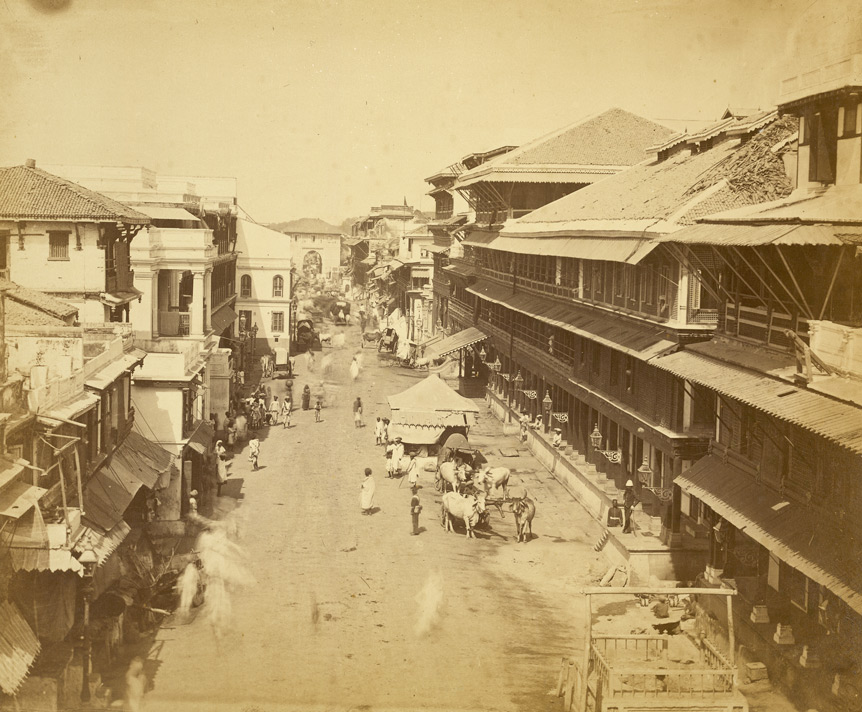
The city grew up around it the way cities do: palaces, then railways, then ring roads. The Gaekwads built Sayaji Baug on its bank — a great Victorian garden where the river slides past flowerbeds. Bridges multiplied. Traffic thickened.
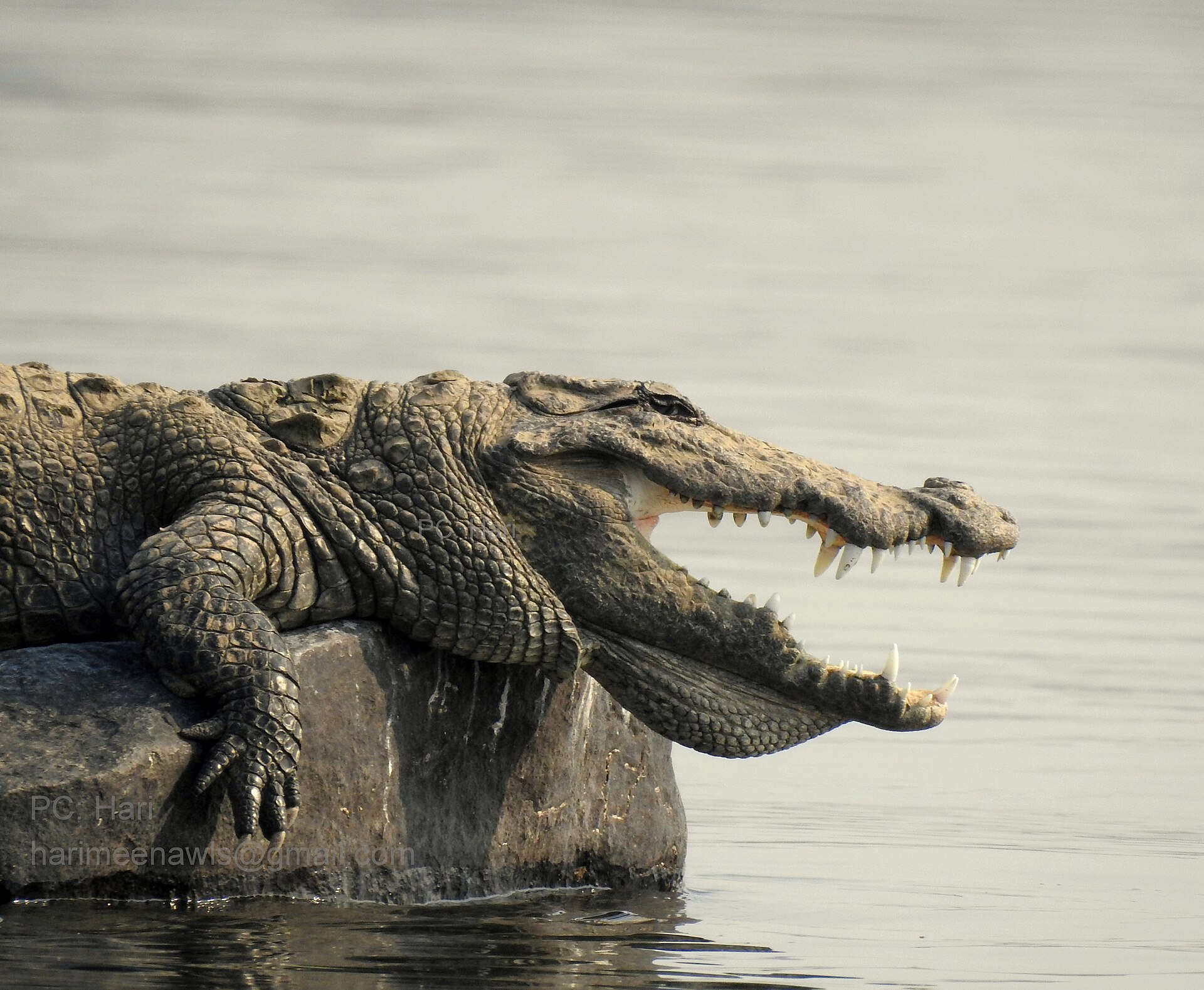
And through every era, in the same pools, under the same banyan shade: the muggers. They watched the palaces rise. They watched the British arrive and leave. They are, by any honest measure, the city's oldest continuous residents — and they never once moved out.
"Everyone else came to Vadodara. The crocodiles were the welcoming committee."Field notes · Vishwamitri river survey
Chapter III
Monsoon walkabouts
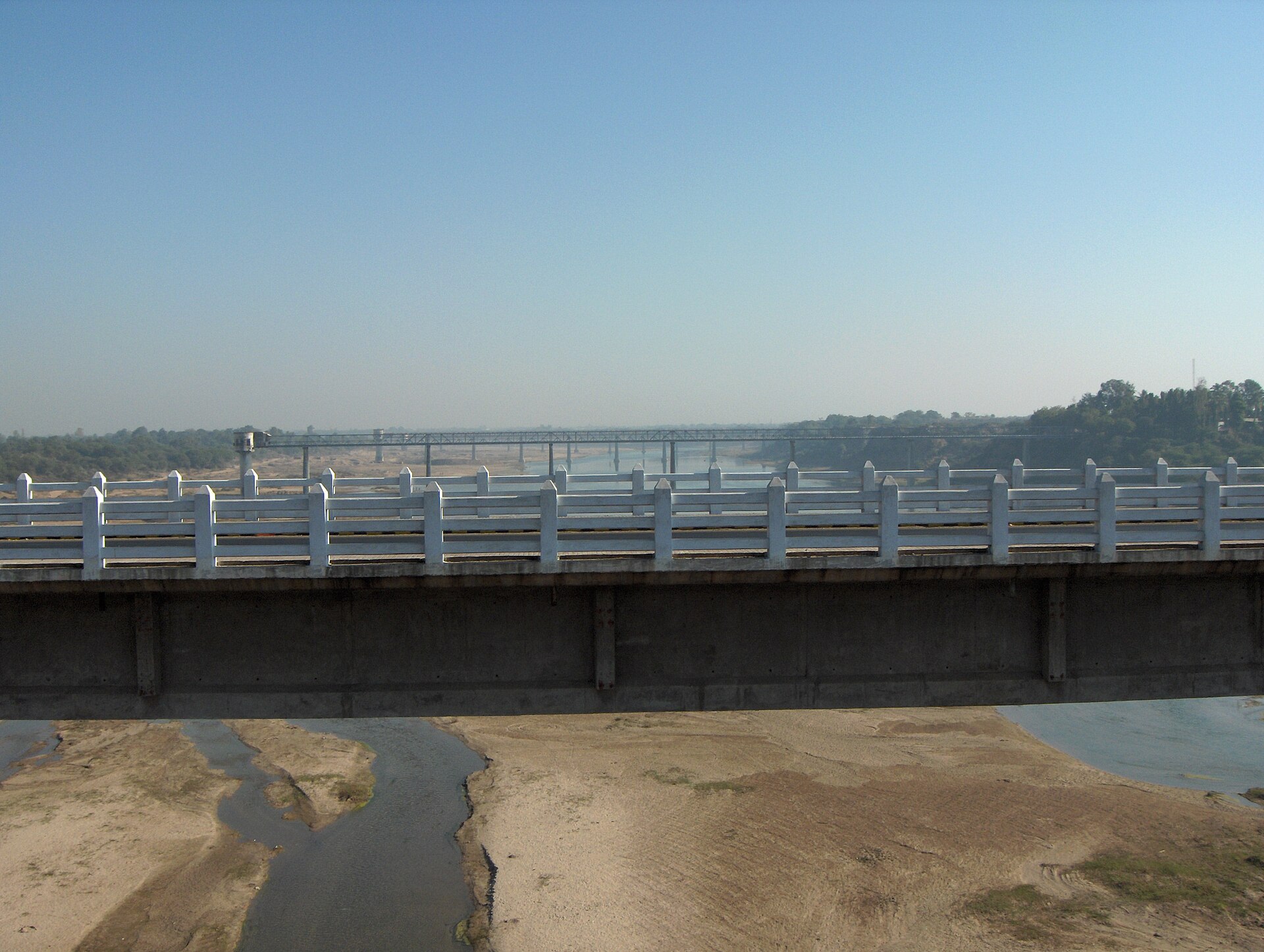
Every July the truce gets its annual stress test. The Vishwamitri rises, sometimes ten metres, and spills its residents into the city like a tipped-over aquarium. Muggers follow the floodwater into storm drains, gardens, parking lots — patient, confused, and extremely large.
In the great flood of 2019, the photographs went global: a crocodile on a flooded road, another resting beside a school gate, a third paddling calmly down a residential lane past parked scooters. The world's headlines reached for panic. Vadodara reached for chai and the forest department's phone number.
That year alone, rescue teams returned more than forty muggers to the river. No crocodile was harmed. No person was harmed. The city simply absorbed its wandering neighbours the way it absorbs everything — with a shrug, a crowd of mild onlookers, and a video for the family group chat.
Chapter IV
The rescuers
There is a particular kind of phone call that only exists in Vadodara. It comes at two in the morning, and it begins: "Sir, there is a crocodile in the well." The people who answer it — forest officers and volunteer rescuers — have turned croc retrieval into a calm, practised craft.
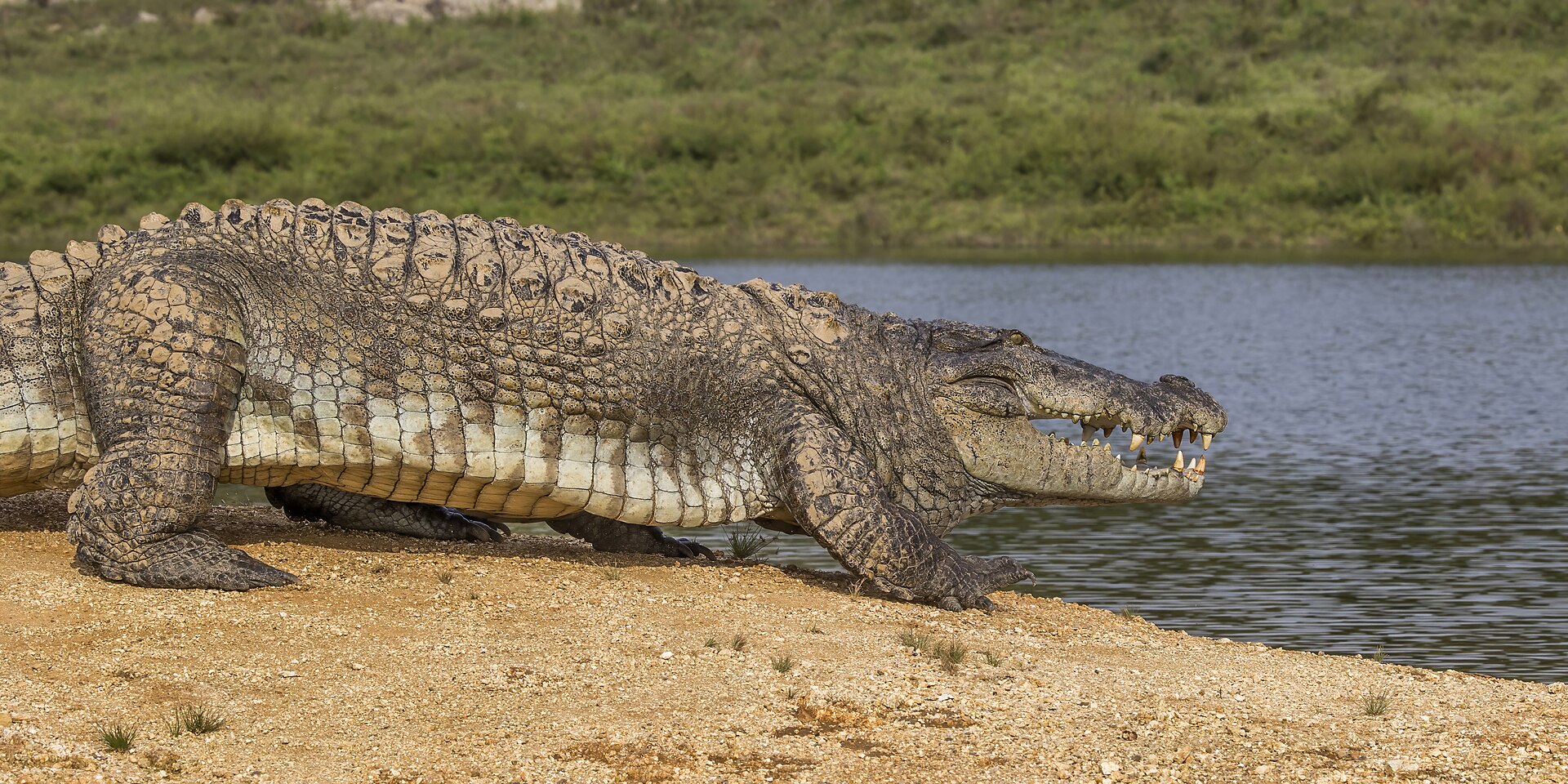
The method is gentleness perfected: a soft rope, a strip of tape for the jaws (a mugger's bite is ferocious, but the muscles that open the mouth are famously weak), a cloth over the eyes, and the animal goes still — an old reptile trick, like covering a parrot's cage. Then a short truck ride, a quiet bank, a loosened rope, and a splash.
No other city on Earth runs this service at this scale, this casually. In Vadodara it isn't heroism. It's municipal plumbing for the world's most ancient water problem.
Chapter V
An everyday peace
Scientists who come to study Vadodara keep using the same phrase: passive coexistence. It means nobody is managing this. There is no fence, no moat, no relocation programme. There is only a city that has decided, collectively and across centuries, that the river's first residents get to stay.
The muggers hold up their end. They keep to the water, hunt fish and the occasional unlucky dog, raise their hatchlings in the reeds, and treat the 2.5 million humans around them as scenery. Attacks are vanishingly rare — statistically, the city's traffic is thousands of times more dangerous than its crocodiles.
Globally, the mugger is a vulnerable species, squeezed out of river after river across Asia. Which gives Vadodara's shrug-and-share arrangement a weight nobody planned: this unbothered city has become one of the species' great strongholds. The truce isn't just charming. It's conservation, running on culture instead of funding.
One river. Two ancient neighbours. No treaty but memory — and it has held for six hundred years.
"They move at dawn, they rest at noon, and at dusk they slip back into a river that belongs equally to them and to us."Field naturalist · Vishwamitri river survey
Continue the dossier
Field Notes: The Mugger Dossier →
Vitals, anatomy, myths debunked, and a field quiz to earn your riverkeeper badge.